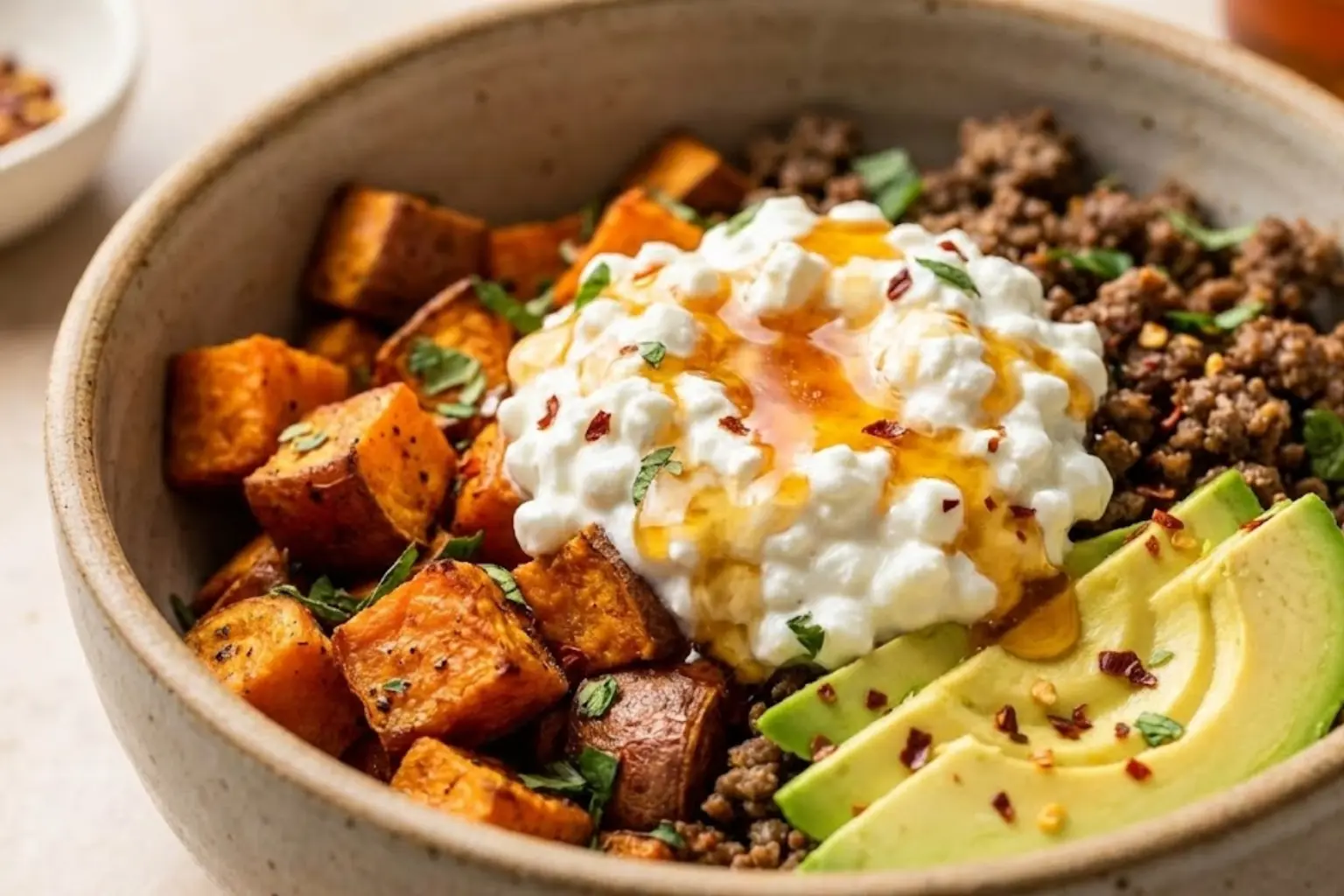
When hunger hits and the evening feels long, a comforting, protein-packed meal can turn a stressful night into something satisfying. These recipes aren’t just filling they’re practical, flavorful, and easy for any American home cook.
Whether it’s a weeknight dinner, meal prep, or a cozy family meal, high-protein comfort food keeps everyone energized and happy at the table.
What This Is And Isn’t
This is not a list of trendy health foods or fancy chef experiments. These are tried-and-true comfort dishes that are approachable, repeatable, and delicious. No obscure ingredients, no complex techniques—just meals that feel like home.
Ingredient Snapshot
- Proteins: Chicken, beef, pork, fish, eggs, and legumes.
- Vegetables: Fresh, frozen, or seasonal produce for nutrition and texture.
- Grains & starches: Rice, pasta, potatoes, and other staples.
- Dairy & cheese: Optional enrichments for flavor and creaminess.
- Pantry staples & seasonings: Salt, pepper, herbs, and spices.
Before cooking begins, the following technical standards define the temperature, heat, and storage limits used throughout this recipe.
Technical & Safety Reference
| Technical Variable | Requirement / Standard | Source Framework |
|---|---|---|
| Cooking heat level | Medium to medium-high stovetop heat for proteins and vegetables | Culinary practice |
| Protein doneness indicator | Proteins cooked until firm and lightly browned | Culinary science |
| Acid reduction standard | Sauces simmered until acidity softens and flavor concentrates | Culinary science |
| Storage duration (refrigerated) | Leftovers stored in airtight container for up to 2 days | U.S. food safety guidelines |
| Refrigeration window | Refrigerate cooked food within 2 hours | USDA-aligned food safety |
| Reheating constraint | Reheat gently until hot; proteins may firm during reheating | Food safety guidelines |
| Measurement system | U.S. customary units and Fahrenheit temperatures | U.S. culinary standards |
Why It Works
High-protein comfort meals combine hearty ingredients and simple techniques that enhance flavor and texture. Cooking proteins first and vegetables second ensures even cooking and balanced flavors. Layering sauces or spices toward the end brightens taste without extra effort.
The 10 High-Protein Comfort Foods
- Cheesy Chicken & Broccoli Bake – Tender chicken, fresh broccoli, and creamy cheese sauce baked to golden perfection.
- Beef & Vegetable Stir-Fry – Thinly sliced beef sautéed with colorful vegetables in a simple savory sauce.
- Turkey Chili – Lean ground turkey slow-cooked with beans, tomatoes, and spices for warmth and protein.
- Salmon Quinoa Bowls – Pan-seared salmon served with fluffy quinoa and roasted seasonal vegetables.
- Egg & Veggie Breakfast Skillet – Protein-rich eggs cooked with peppers, spinach, and potatoes for an easy morning meal.
- Pork Tenderloin with Roasted Veggies – Juicy pork paired with caramelized root vegetables.
- Lentil & Chickpea Stew – Plant-based protein packed stew with a rich, comforting flavor.
- Shrimp & Brown Rice Paella – Shrimp cooked with aromatic rice and vegetables, quick and satisfying.
- Beef & Bean Casserole – Classic American casserole loaded with protein and slow-baked flavors.
- Chicken & Sweet Potato Curry – Creamy, spiced chicken curry served over sweet potatoes for a hearty dinner.
Step-by-Step Method
Each recipe follows the same clear, practical approach:
- Prepare proteins – Ensure proper doneness; visual cue: lightly browned and firm.
- Prep vegetables – Uniform chopping ensures even cooking.
- Cook base & sauces – Simmer gently to concentrate flavors without overcooking.
- Combine & finish – Mix proteins, vegetables, grains, and seasonings; adjust salt and pepper.
- Serve immediately or store – Follow safe storage and reheating guidelines.
Common Mistakes to Avoid
- Overcooking proteins → dry or tough texture.
- Uneven vegetable chopping → inconsistent cooking.
- Sauce tastes flat → finish with a splash of acid or seasoning.
- Timing off → prep ingredients first to maintain smooth cooking flow.
Variations (US-Relevant Only)
- Kid-friendly: Reduce spices, keep flavors mild.
- One-pan versions: Simplify cleanup without compromising flavor.
- Hearty batch meals: Add beans or extra protein for meal prep.
Storage, Reheating & Food Safety
- Refrigerate within 2 hours.
- Store in airtight container for up to 2 days.
- Reheat gently until hot; proteins may firm slightly.
How Americans Commonly Use This
- Weeknight dinners
- Family meals
- Meal prep and batch cooking
Soft, Confident Close
High-protein comfort food remains essential because it makes everyday meals satisfying, nutritious, and achievable. Clear, approachable recipes ensure the table is always full, warm, and enjoyed by everyone.
Editorial Transparency Statement
This article is research-based and informed by historical culinary references, established food science, and professional instructional standards. It does not rely on personal kitchen testing.
All content in this article is independently verified using authoritative and verifiable sources. These references ensure the article is research-backed, historically accurate, US-centric, and safe for home cooking.
Sources used for this article:
- USDA Food Safety and Inspection Service (FSIS) — Guidelines for proper cooking, storage, and reheating of proteins and meals.
- ChooseMyPlate.gov — US-centric nutritional guidance for proteins, vegetables, and grains.
- USDA National Agricultural Library – Food & Nutrition Information Center — Research-based dietary and cooking recommendations.
These references ensure the content is research-backed, historically grounded in American home cooking, US-centric in ingredients and practices, and safe for everyday kitchen use.
Author