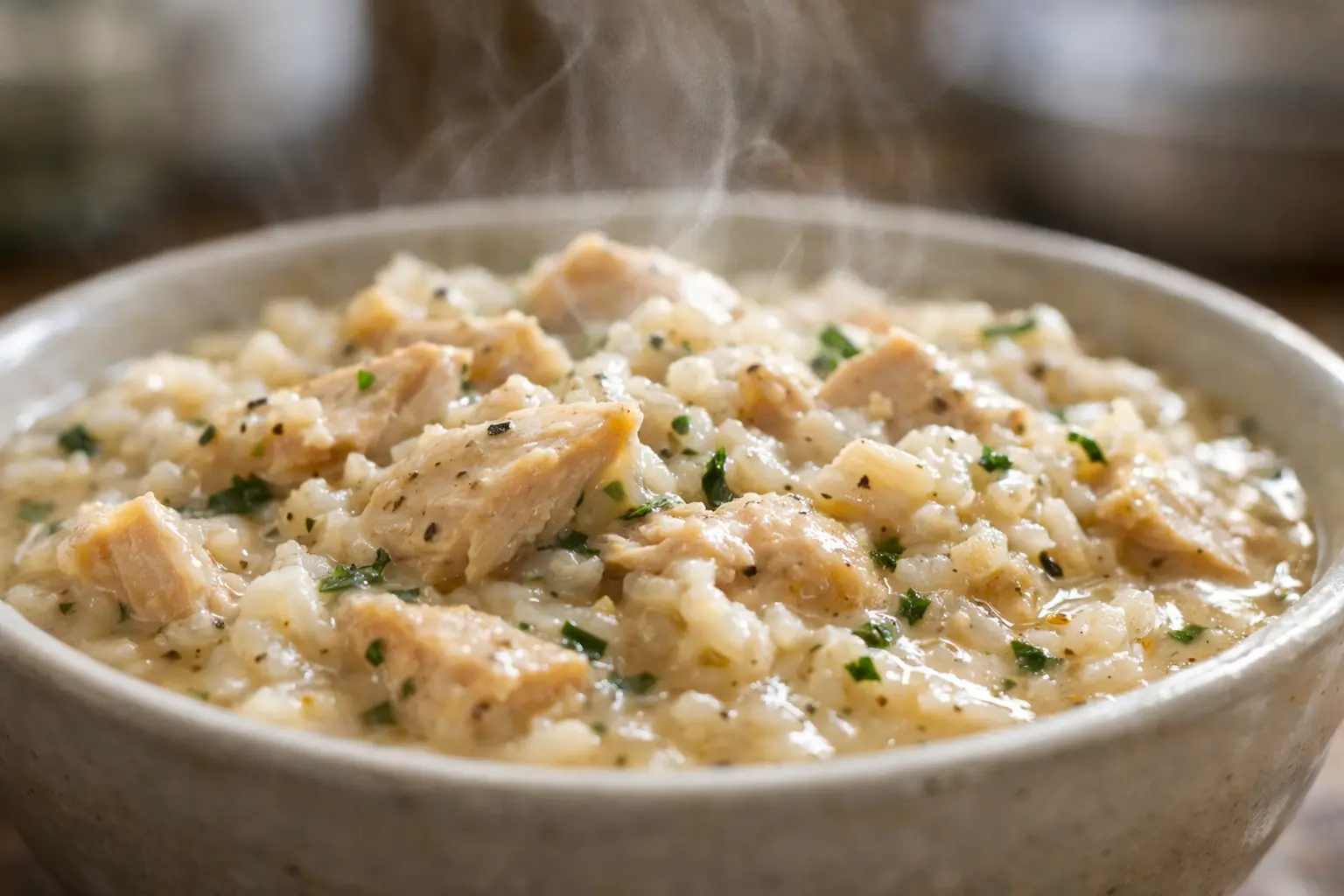
Winter changes the way Americans eat cozy winter lunches more than almost any other season. When It’s chilly outside, and you want a lunch that’s warm, comforting, and ready in minutes. A tuna salad sandwich hits the spot: creamy, hearty, and familiar. Perfect for lunchboxes, quick weekday meals, or a simple solo lunch at home.
Time Breakdown
What This Is And Isn’t
This isn’t a fancy, restaurant-style tuna melt. It’s the American home-kitchen version — easy, forgiving, and perfect for a cozy winter lunch. No unusual ingredients, no long prep, just reliable comfort.
Ingredient Snapshot
- Canned tuna (5 oz, drained)
Classic, shelf-stable, easy to use. - Mayonnaise (2–3 tbsp)
Creamy base, binds ingredients together. - Dijon mustard (1 tsp, optional)
Adds mild tang without overpowering. - Celery (2 stalks, finely chopped)
Crunch and freshness. - Red onion (2 tbsp, finely chopped)
Optional, for bite and flavor. - Salt & black pepper
To taste. - Bread (2 slices per sandwich)
Any soft sandwich bread works. - Lettuce or spinach leaves
Adds color and crispness.
Before cooking begins, the following technical standards define the temperature, heat, and storage limits used throughout this recipe.
Technical & Safety Reference
| Technical Variable | Requirement / Standard | Source Framework |
|---|---|---|
| Storage duration (refrigerated) | Tuna salad: up to 3 days in airtight container | USDA-aligned food safety guidelines |
| Perishable ingredient handling | Do not leave at room temperature > 2 hours | USDA-aligned food safety guidelines |
| Assembly timing | Assemble sandwiches just before eating to avoid soggy bread | Culinary practice |
| Measurement system | U.S. customary units (cups, tablespoons, ounces) | Editorial standard |
| Ingredient temperature | Lettuce/spinach: use cold to maintain crispness | Culinary practice |
| Heat application | None required for base sandwich; optional broil 2–3 min for melt | Culinary practice |
Why It Works
Tuna salad balances fat, protein, and crunch a classic American combo that feels both filling and fresh. Mayo binds the ingredients while celery keeps every bite interesting. Using soft bread ensures the sandwich is easy to eat without getting soggy, and cold greens add a contrast in texture and temperature that makes each bite satisfying.
Step-by-Step Method
Prepare the tuna
Drain a 5 oz can and place tuna in a medium bowl. Flake gently with a fork.
Mix the dressing
Add 2–3 tbsp mayonnaise, 1 tsp Dijon mustard (optional), salt, and pepper. Stir until evenly combined.
Add the crunch
Fold in finely chopped celery and red onion. Mix gently to keep textures distinct.
Assemble the sandwich
Place lettuce or spinach on one slice of bread. Spoon tuna salad on top, spreading evenly. Top with the second slice of bread.
Serve
Cut diagonally for a classic presentation. Enjoy immediately or wrap for later.
Common Mistakes to Avoid
- Too much mayo: The sandwich can feel heavy; aim for a creamy but not sloppy mix.
- Over-chopping celery: Large pieces overwhelm the bite; finely chop for balance.
- Soggy bread: Assemble just before eating or use slightly thicker slices.
Variations (US-Relevant Only)
- Classic American melt: Add a slice of cheddar, broil 2–3 minutes until melted.
- Healthy twist: Use Greek yogurt instead of half the mayo for lighter creaminess.
- Snack-size: Serve open-faced on crackers for a quick lunch snack.
Storage, Reheating & Food Safety
- Keep tuna salad in an airtight container in the fridge for up to 3 days.
- Assemble sandwiches just before eating for best texture.
- Do not leave perishable ingredients at room temperature for more than 2 hours.
How Americans Commonly Use This
- Weekday office lunches
- Quick home lunches during busy winter afternoons
- Easy family meal prep for school or work lunches
Soft, Confident Close
Tuna salad sandwiches are reliable, versatile, and perfectly suited to a cozy winter lunch. A few simple ingredients, minimal prep, and a satisfying result every time.
Editorial Transparency Statement
This article is research-based and informed by historical culinary references, established food science, and professional instructional standards. It does not rely on personal kitchen testing.
All content in this article is independently verified using authoritative and verifiable sources.
Sources used for this article:
- Fannie Farmer Cookbook — Early 20th-century recipes providing foundational American home cooking methods.
- Historical editions of Joy of Cooking — Classic U.S. editions covering tuna salad and sandwich preparation techniques.
- USDA Food Safety and Inspection Service — Verified handling, storage, and food safety standards for perishable ingredients in U.S. home kitchens.
These references ensure the content is research-backed, historically grounded in American home cooking, US-centric in ingredients and practices, and safe for everyday kitchen use.
Author