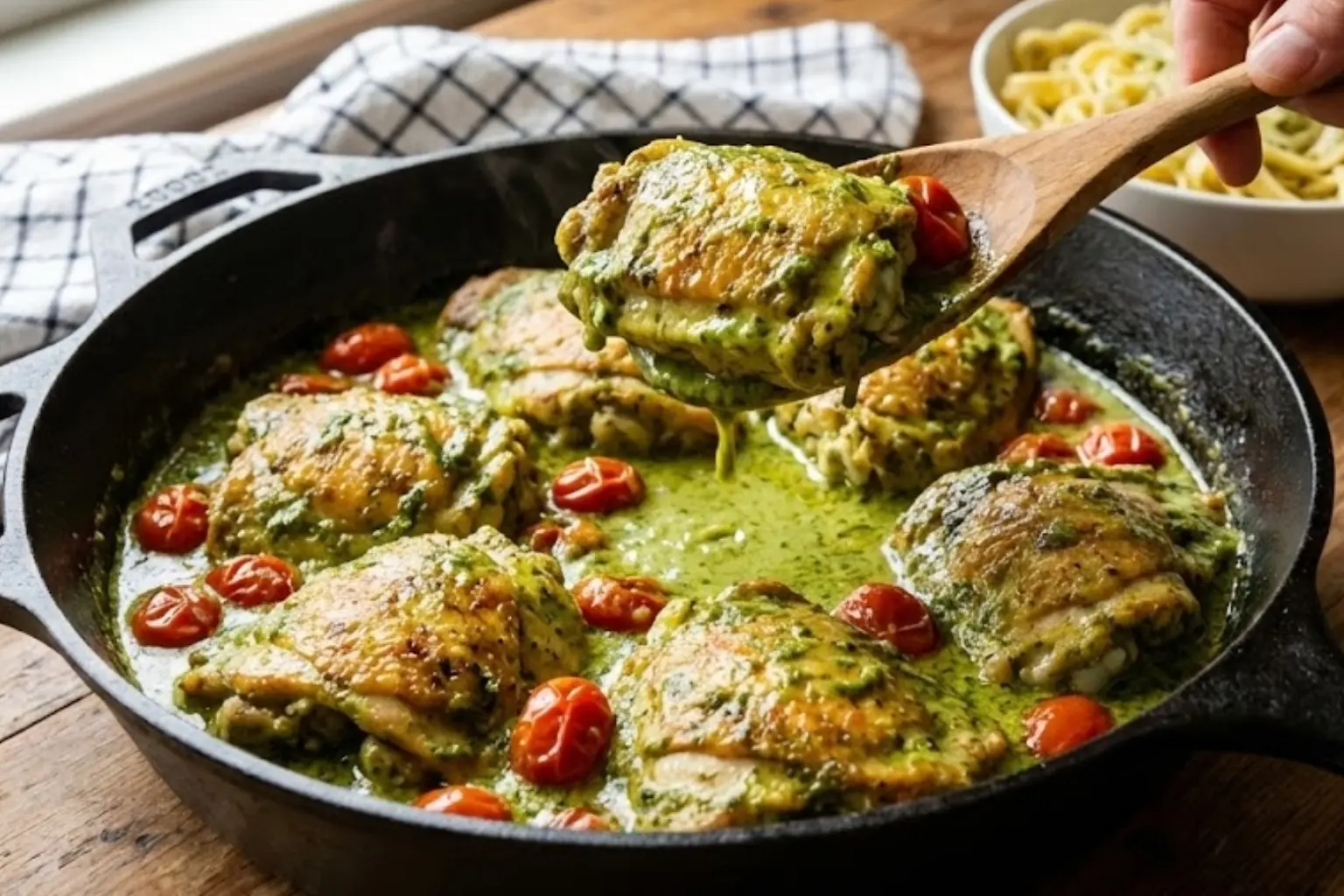
For a long time, the sheet pan was the undisputed hero of the American kitchen. It promised us everything: just toss some vegetables and meat on a metal tray, shove it in the oven, and walk away. It was supposed to be the ultimate solution for easy evening meals.
But let’s be honest about what actually happens. You spend twenty minutes chopping vegetables. You wait another fifteen for the oven to preheat.
And in the end? The chicken is often a little dry, the broccoli is burnt, and you are left scrubbing a giant, grease-stained tray.
Recently, a quiet shift has happened. Home cooks are trading the oven for the stovetop. They are discovering that a single skillet can do what a baking sheet cannot: create deep, rich flavor in half the time.
Why People Are Switching
The logic is simple: speed and sauce. Sheet-pan cooking relies on dry heat, which is great for roasting but terrible for keeping meat juicy. Stovetop cooking allows you to sear meat—locking in flavor—and then simmer it in liquid.
That simmer is the key. It creates a built-in sauce that keeps everything tender. It turns skillet chicken meals into something that tastes like a restaurant dish, rather than “roasted leftovers.” Plus, you aren’t waiting for an oven to hit 400 degrees while your stomach growls.
The 4 Ingredients Changing the Game
The beauty of this method is that it relies on a “flavor bomb” ingredient to do the heavy lifting. You don’t need a spice rack. You generally need:
- The Protein: Chicken thighs (which are forgiving) or breasts.
- The Fat: A splash of oil or butter for the sear.
- The Flavor Driver: A robust sauce or paste (like pesto, salsa, or curry paste).
- The Creaminess: Heavy cream, coconut milk, or a melting cheese.
By combining these, you create simple poultry dishes that taste complex but are incredibly rudimentary to assemble.
How It Comes Together
The technique is always the same, and it works every time. You start by searing the chicken in a hot pan until it’s golden brown. You don’t worry about cooking it through yet; you just want that color.
Then, you lower the heat and add your liquids. The sauce bubbles up, deglazing the pan (lifting those delicious brown bits off the bottom), and the chicken finishes cooking gently in that bath.
It creates the kind of creamy garlic sauce texture that usually takes hours to reduce, but here, it happens in minutes.
The Recipe: 4-Ingredient Creamy Pesto Chicken
This is the recipe that usually converts people away from roasting. It is rich, herbaceous, and impossible to mess up.
What You Need:
- Chicken: 4 boneless, skinless chicken thighs.
- Pesto: ½ cup of your favorite jarred basil pesto.
- Cream: ½ cup heavy cream.
- Tomatoes: 1 cup cherry tomatoes (whole).
- (Salt, pepper, and olive oil don’t count—they live in your pantry).
The Method:
- Sear: Heat a drizzle of oil in a large skillet over medium-high heat. Season chicken with salt and pepper. Cook for 4-5 minutes per side until golden brown. Remove chicken from the pan.
- Sizzle: Toss the cherry tomatoes into the hot pan. Let them blister for 2 minutes until they start to pop.
- Sauce: Lower the heat to medium-low. Stir in the pesto and heavy cream. It will turn a beautiful pale green.
- Finish: Return the chicken to the pan. Let it simmer in the sauce for 3-4 minutes until the chicken is cooked through and the sauce thickens.
What Makes It Better Than Sheet-Pan Meals
The difference is in the bite. Sheet-pan chicken has a tendency to get stringy. This chicken is coated in a velvety sauce that demands to be eaten. It’s protein comfort food that feels indulgent rather than practical.
There is also the cleanup factor. One skillet is easier to wash than a giant baking sheet, and because you aren’t baking grease onto metal at high temperatures, the scrubbing is minimal.
How People Are Serving It
Because this method produces so much sauce, you need a vehicle for it. Most people ladle this straight over pasta or white rice.
On busy nights, simply serving it with a torn-up baguette to mop up the pesto cream is perfectly acceptable. It fits right into a rotation of family meal ideas.
Why It’s Becoming a Weeknight Staple
We are all tired of decision fatigue. This method removes the variables. You don’t have to worry if the potatoes will be done at the same time as the meat. You are watching it happen right in front of you.
It’s flexible, too. Don’t have pesto? Use sun-dried tomato paste. Don’t have cream? Use cream cheese. It allows for 30-minute recipes that adapt to whatever is in the fridge.
Closing Thought
Sheet-pan meals had their moment, and they served us well. But right now, we are craving something softer, faster, and undeniably better tasting. The oven can wait for the weekend. Tonight, we use the skillet.
